DIY Hand Embroidery Pattern Review
First Impression: Whimsical, Modern, and Booth-Ready
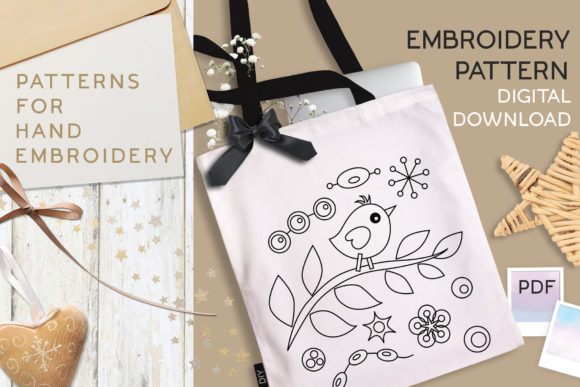
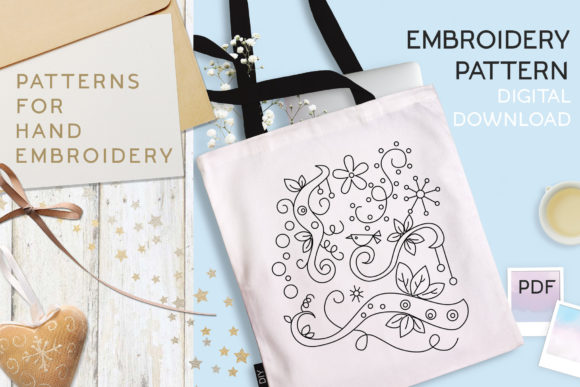
As an embroidery designer who’s curated over 200 craft fair booths—and shipped thousands of handmade products to Etsy sellers and boutique makers—I opened DIY Hand Embroidery Pattern expecting charm. What I got was immediate clarity: “fun modern whimsical design. Bird and branches.” That phrase alone tells me this isn’t farmhouse rustic or minimalist monochrome—it’s joyful, approachable, and quietly confident. It lands somewhere between playful and polished—ideal for shoppers scanning a crowded market aisle. Customers don’t pause for vague elegance; they stop for personality. And this pattern delivers it in under five words.
Where DIY Hand Embroidery Pattern Shines on Craft Fair Products
This bird-and-branches motif thrives where handmade warmth meets intentional design. On a natural canvas tote bag? Instant focal point—balanced but not overwhelming. On a linen tea towel? It reads beautifully at 4–5 inches wide, with branch lines guiding the eye and birds adding delightful surprise. As an apron embroidery near the pocket? It feels personal, like a signature—not generic clip art. And as a small embroidered patch sewn onto a denim cap or fabric pouch? It adds just enough character without shouting.
For pillow covers and book covers, DIY Hand Embroidery Pattern scales gracefully. Its open composition avoids visual clutter, so even when stitched by intermediate crafters, the result looks intentional—not rushed. That’s critical for small shop products: consistency builds trust. Buyers returning to your booth (or Etsy shop) remember how your last embroidered tea towel looked—and whether it held up after washing. This pattern supports that reliability.
Photography & Online Appeal: A Digital Seller’s Secret Weapon
If you’re an Etsy seller or digital embroidery file creator, know this: DIY Hand Embroidery Pattern photographs exceptionally well. The contrast between delicate branches and expressive birds creates natural depth—even in flat-lay shots. No heavy shadows or complex gradients needed. Pair it with soft linen, unbleached cotton, or oatmeal-toned canvas, and your printable mockups will convert. It also translates cleanly into commercial embroidery workflows: clean line work, logical stitch direction, and no micro-details that vanish in digitized files.
That said—don’t assume it’s “set and forget.” As a graphics-based hand embroidery pattern, its success hinges on execution. Test it on scrap fabric first. Check how thread colors interact with your base material. A navy thread on charcoal linen may read as flat; swap to a warm taupe or moss green for lift. Always confirm spacing—especially if stitching multiple motifs across a market bag or apron panel.
Practical Production Notes for Embroidery Business Owners
- Hoop size matters: This design fits comfortably in a 5”–6” hoop—ideal for booth demos and batch production.
- Stitch density is moderate: No dense fill areas that cause puckering on textured towels or thick denim. That means fewer stabilizer surprises and smoother iron-on patch prep.
- Fabric texture is forgiving: Works on slubbed linen, brushed cotton, and even lightweight canvas—no need to over-stabilize unless using dark fabric (where light thread may require backing).
- Small details are intentional—not fussy: Birds have clear silhouettes and readable features, but no tiny eyes or feather stippling that vanish at 3” scale. Perfect for caps or pouches where clarity trumps intricacy.
What to Watch For: Careful-Use Notes from the Hoop
Even charming designs have limits. Here’s what I flagged while prepping DIY Hand Embroidery Pattern for my own craft fair lineup:
- Avoid shrinking it below 2.5” wide—the branch junctions and bird proportions begin to blur, especially on curved surfaces like caps.
- On dark fabric, test thread contrast rigorously. Light ecru or pale yellow may disappear; opt for cream, oat, or muted sage instead.
- Don’t force it onto heavily textured tea towels without adjusting tension or using tear-away + cut-away stabilizer combo.
- While lovely on book covers, skip placing it directly over thick spine seams—stitching resistance can distort branch flow.
Booth Impact & Buyer Engagement: Why This Pattern Moves Units
In person, DIY Hand Embroidery Pattern stands out because it feels *designed*, not assembled. At a glance, shoppers recognize craftsmanship—not just craft. That perception elevates perceived value: a $38 embroidered tote feels worth it when the bird’s wing aligns with the strap seam, or when branch tips echo the shape of your booth’s wooden display shelf. It strengthens brand consistency too: repeat the same motif across your pillow covers, patches, and market bags, and customers subconsciously connect your entire collection.
And engagement? Real talk: people linger longer at displays where embroidery tells a quiet story. A hummingbird mid-flight on a tea towel invites questions. A single branch trailing off a tote edge sparks curiosity. That moment—when a customer reaches out to trace the line with their finger—is where handmade product becomes meaningful object.
Final Designer Checklist Before You Print, Stitch, or Sell
- Test the design on scrap fabric matching your final product (e.g., duck cloth for aprons, terry for towels).
- Verify thread color contrast under both natural and booth lighting.
- Review spacing and layout—especially for multi-item sets like pillow cover + tote + patch bundles.
- Confirm hoop size compatibility with your most-used frames (and those of your wholesale partners).
- Inspect stitch density for potential stabilizer needs—particularly on knit blends or loosely woven fabrics.
- Create at least one real, finished mockup—not just a digital preview—to assess drape, wear, and wash performance.
- Compare fabric colorways: does the pattern sing on oat, charcoal, cream, and olive—or does it flatten on one?
- Confirm commercial licensing terms before selling finished products. If this is a Graphics-type file intended for hand use only, clarify usage rights before digitizing for machine embroidery or bulk patch production.
Bottom line: DIY Hand Embroidery Pattern isn’t just another download. It’s a thoughtful, market-tested asset—designed to look handmade, sell consistently, and scale across your craft fair table, Etsy listings, and small-batch production. Use it with intention, test it with care, and let its whimsy do the talking.